Last updated November 25, 2026
How to Hire an ADU Contractor in Kent: A Step-by-Step Guide
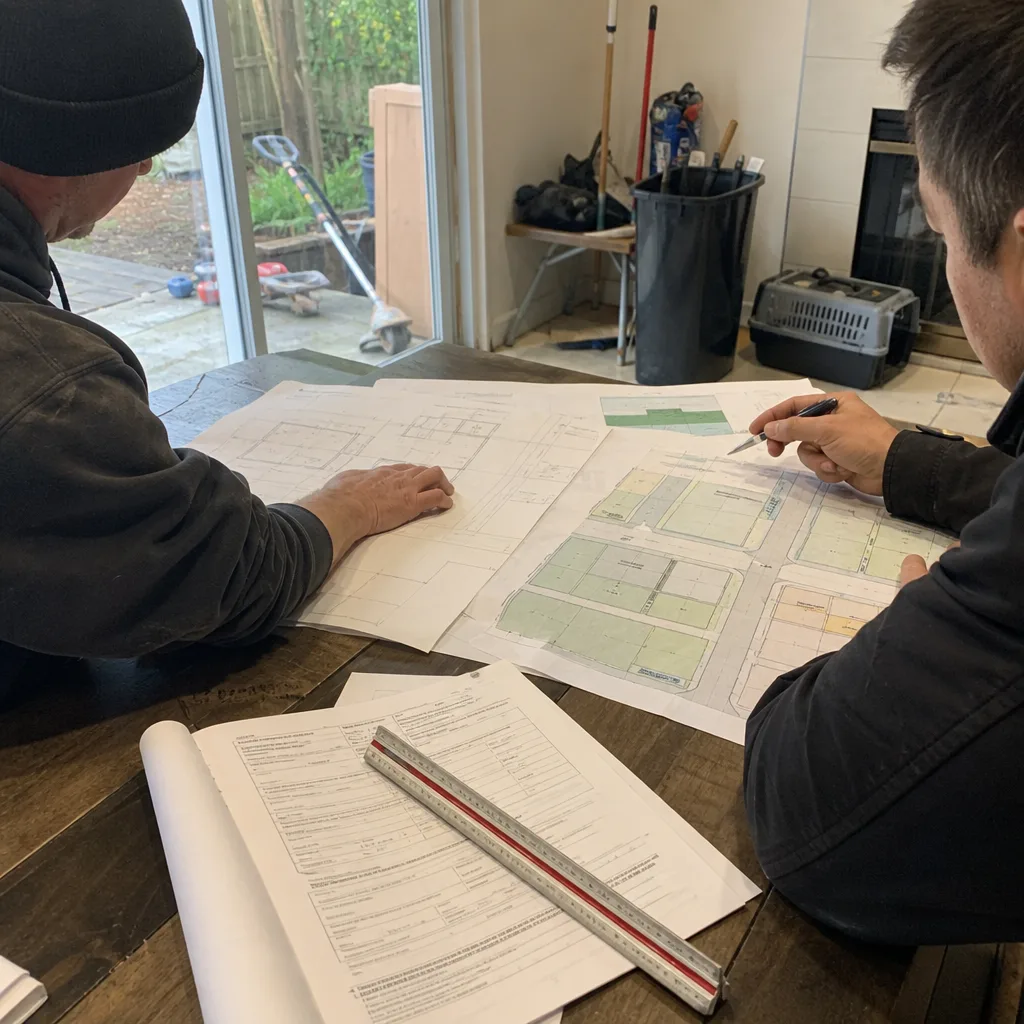
Most Kent homeowners who end up unhappy with an ADU project don’t get blindsided by the price. They get worn down by the handoffs. The designer finishes and disappears. The permit expediter goes quiet for weeks. The builder shows up expecting plans that don’t match what the city will actually approve, and suddenly the homeowner is the only person holding the whole sequence together, forwarding emails between three businesses that have never been in the same room. An ADU isn’t a kitchen remodel with a permit attached. It’s a design problem, a permitting problem, and a multi-trade construction problem stitched into one continuous chain, and every gap in that chain lands on you. This guide walks through how to hire an ADU contractor in Kent so the chain stays unbroken: the questions that separate real ADU experience from general construction experience, how to read a proposal for the traps, how Washington licensing works, and what a fair contract actually looks like.
Quick Answer
To hire an ADU contractor in Kent, verify the contractor’s Washington state registration and insurance first, then ask specifically which ADU projects they’ve permitted inside Kent city limits (not just King County), and insist on a written proposal with itemized allowances, permit fees included, and payment milestones tied to permit and construction phases. The strongest signal is a firm that owns design, permitting, and construction as one sequence rather than passing you between separate companies.
Table of Contents
- Why an ADU Is Not a Kitchen Remodel
- The Questions That Reveal Real Kent ADU Experience
- How to Verify a Washington ADU Contractor in 10 Minutes
- How to Read a Kent ADU Proposal for Red Flags
- What a Fair ADU Contract Structure Looks Like
- Why ADU Specialists Outperform General Contractors
- Matching the ADU Format to Your Kent Property
- Common Mistakes to Avoid
Why an ADU Is Not a Kitchen Remodel
A kitchen remodel is a single-room, single-trade-sequence job with a fairly predictable permit path. An ADU adds a second dwelling to your property. It touches utilities, site drainage, setbacks, fire separation, and a set of local rules that change depending on which city your lot sits in. That structural difference is the whole reason contractor selection matters more here than on almost any other residential project.
Broadly, the work runs in three linked phases:
- Design and feasibility. Working out what actually fits the lot, the setbacks, and the utility capacity before anyone draws a finished plan.
- Permitting. Getting the design through the city’s planning and building review, which is where most ADU timelines quietly slip.
- Construction. Foundation, framing, utilities, envelope, finishes, and final inspection across multiple trades that all have to hit their windows in order.
Each phase feeds the next. A design that ignores a utility constraint becomes a permit correction. A permit delay becomes a subcontractor reshuffle. A contractor who only owns phase three will hand phases one and two to someone else, and you become the project manager whether you wanted the job or not. In Kent, where lots range from flat suburban parcels to sloped and tree-covered properties, that coordination load is real work. We’ve watched homeowners spend more energy chasing three vendors than they would have spent choosing one accountable firm on day one. If you want the full picture of how these phases fit together, our guide to ADU builders breaks down what each stage involves.
The Questions That Reveal Real Kent ADU Experience
Every contractor you call will say they’ve built ADUs. The trick is separating firms that have permitted inside Kent from firms that have worked somewhere in King County and are guessing at the local process. The two are not the same, and the gap shows up later, usually as a plan review correction you didn’t budget for.
Ask these directly, and listen for specifics rather than assurances:
- “Which ADU projects have you permitted within Kent city limits?” A real answer names project types and describes the review path. A vague answer drifts to “we work all over the county.”
- “Who handles the permit submission, and is it your staff or a third party?” If permits are outsourced, you need to know who’s actually talking to the city and how the handoff works.
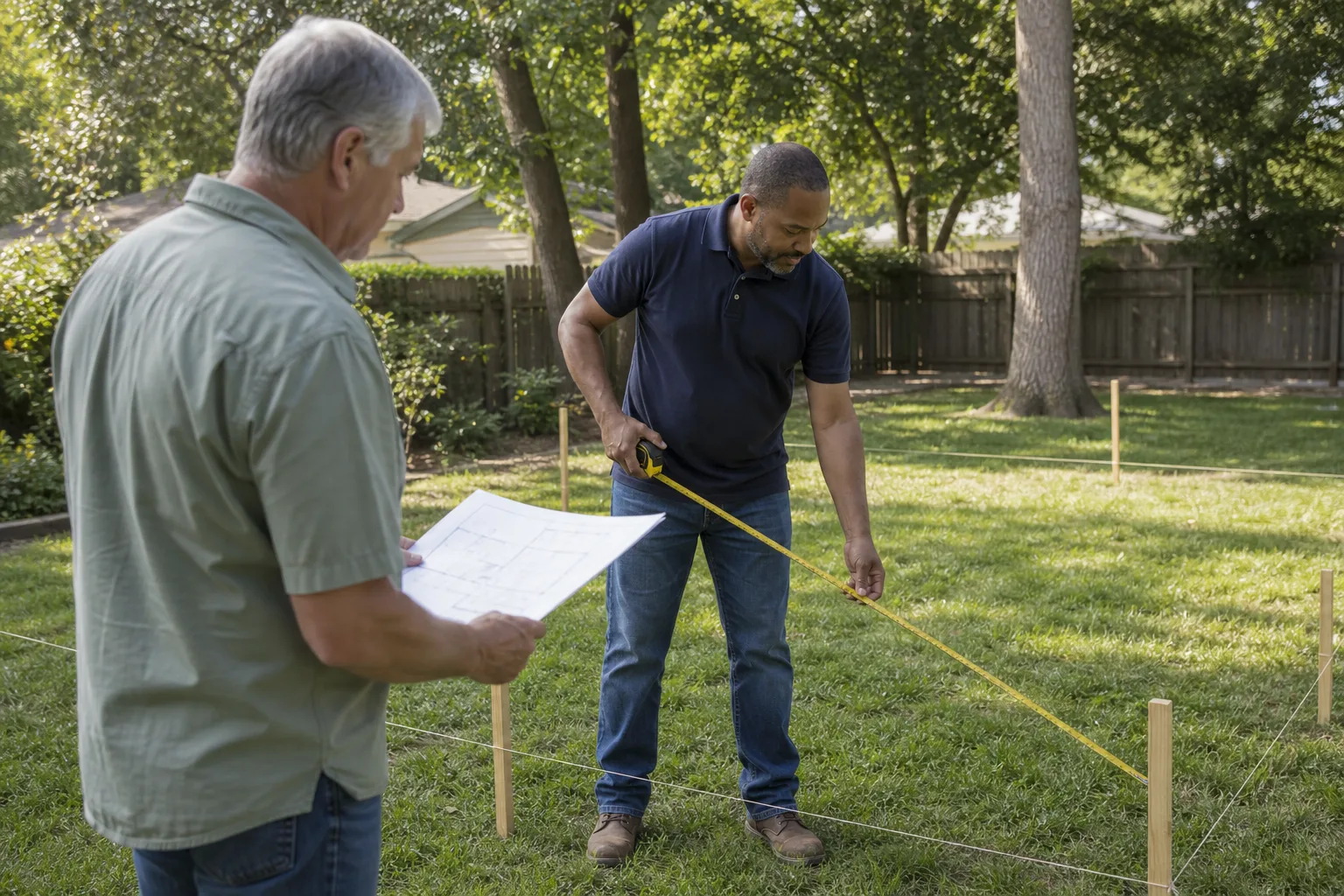
- “How do you evaluate a lot’s feasibility before we commit to a design?” Good firms check setbacks, utilities, and access first, not last.
- “Which prefab brands do you work with?” Authorized experience with Abodu, Cover, or Dvele signals a firm that has integrated factory-built units with site work, not just site-built construction.
- “Who is my single point of contact from design through final inspection?” If the answer is “it depends on the phase,” that’s the gap you’ll be filling.
The point of these questions isn’t to trap anyone. It’s to hear whether the person across the table has actually walked a Kent ADU through the city’s review. A firm that lives in this project type answers without pausing. A general contractor who dabbles often has to think about it, and that hesitation is information.
How to Verify a Washington ADU Contractor in 10 Minutes
Washington requires contractors to register with the state, carry a bond, and hold general liability insurance, and you can check all of it before you ever sign. Ten minutes on the state’s contractor verification site settles questions that a handshake can’t. Do this for every contractor on your shortlist, including the one you like most.
- Look up the registration. Search the company name and registration number on the Washington State Department of Labor & Industries contractor verification page. Confirm the status is active, not expired or suspended.
- Confirm the bond. An active registration should show a contractor bond in place. A registration without it is a warning sign.
- Check the insurance certificate. Ask for a current certificate of general liability insurance and confirm the dates are valid. You want the coverage active for the whole project window, not just today.
- Ask about workers’ comp. If the firm has employees, confirm workers’ comp coverage. This protects you from liability if someone is injured on your property.
- Match the name. The name on the registration, the insurance certificate, and the contract should all be the same legal entity. Mismatches are worth a phone call.
This is also where you confirm scope. ADU Builder Kent is a specialty contractor focused exclusively on accessory dwelling units and closely related residential expansion, and the vetted local professionals we connect homeowners with are licensed and insured as their state requires. We don’t take on unrelated general contracting, and you should be suspicious of any ADU builder who says they’ll handle your roof replacement too. For the legal side of adding a second dwelling to your property, our overview of the ADU Builder Kent service covers what falls inside ADU scope and what doesn’t.
How to Read a Kent ADU Proposal for Red Flags
A vague proposal is not a neutral document, it’s a risk transfer. Open-ended language pushes future decisions onto you after the contract is signed, when your leverage is gone. Learning to spot three patterns will save you more grief than any interview question.
Watch the allowances. An allowance is a placeholder dollar figure for a material or finish not yet selected. Modest allowances for things like fixtures are normal. A large allowance on something structural or hard to price, with no clear description of what it covers, means the final number can climb well past the proposal. Ask what happens if the allowance is exceeded and who pays.
Check for excluded permit fees. Permits for an ADU cost real money and involve real work. If the proposal quietly excludes permit fees or lists permitting as “by owner,” ask why. A firm that owns permit acquisition as a formal service, rather than an afterthought, will show it as a named line item. If permits aren’t your problem but they’re not in the proposal, that’s a contradiction you want resolved before signing.
Look for missing utility and site line items. The most common omission is the invisible work: utility trenching and connections, site drainage, grading, and any work needed to bring power, water, and sewer to a new structure. These are expensive and they don’t disappear because the proposal leaves them out. A thorough proposal names them.
- No named permit line item, or permits excluded from scope
- Lump-sum pricing with no breakdown by phase
- Allowances without a stated cap or overage rule
- No mention of utility connections, drainage, or site work
- Missing line item for final inspection and closeout
Bring the proposal to the call and ask the contractor to walk you through each line. A firm confident in its numbers will do it without flinching.
What a Fair ADU Contract Structure Looks Like
A good ADU contract ties your money to progress, not to a calendar. When payments are pegged to phases of real work, you and the contractor share the same interest in keeping the project moving. When they’re pegged to arbitrary percentages or dates, your money can get ahead of the work and stay there.
Reasonable payment milestones for an ADU generally follow this shape:
- Design and pre-construction deposit. A defined amount to cover design and feasibility work at the start.
- Permit submission. A milestone when the permit package goes to the city, tied to that specific step.
- Permit issued. A payment tied to the permit actually being approved, not merely submitted.
- Construction phases. Payments tied to foundation, framing, utilities, and rough-in milestones as each is completed and verified.
- Substantial completion and final inspection. A final payment held until the work passes final inspection and any punch list is closed out.
You also want the contract to spell out what “complete” means, how changes are priced and approved in writing, who pulls permits, and what the closeout process looks like. Avoid any contract that front-loads most of the money before the permit is issued, or that leaves a large share of payment unaccounted for after final inspection. If the structure feels murky, ask for a revised schedule of values before you sign. Your contract is the project’s backbone, and it should read like one.
Why ADU Specialists Outperform General Contractors
An ADU specialist does one thing, and that focus compounds. The permit reviewer, the subcontractors, and the design team are all tuned to the same project type, so the sequence runs smoother than when a general contractor borrows a kitchen-remodel workflow and hopes it fits.
Three advantages show up again and again. Permit familiarity: a firm that permits ADUs regularly knows what the city looks for and builds the plan to clear review sooner. Subcontractor relationships: the plumbers, electricians, and framers who do ADU work habitually understand the scheduling and coordination the format demands. Design-build continuity: when design and construction sit in the same firm, the plan is built by people who will also build it, so design decisions reflect the real cost and constructability of the job.
This is also where access to premium prefab matters. Working with brands like Cover and Dvele gives homeowners factory-built quality options that most local contractors can’t offer, and integrating those units still requires site work, utility connections, and permitting that a specialist handles well. Our garage conversion service is another example of format-specific work that benefits from that focus. The result is fewer gaps, fewer surprises, and one team holding the whole chain from design to permit to move-in.
Matching the ADU Format to Your Kent Property
The right ADU depends on the lot, the existing structures, the utility capacity, and what you want the unit to do. A good contractor recommends the format that fits your property, not the format they happen to build most often.
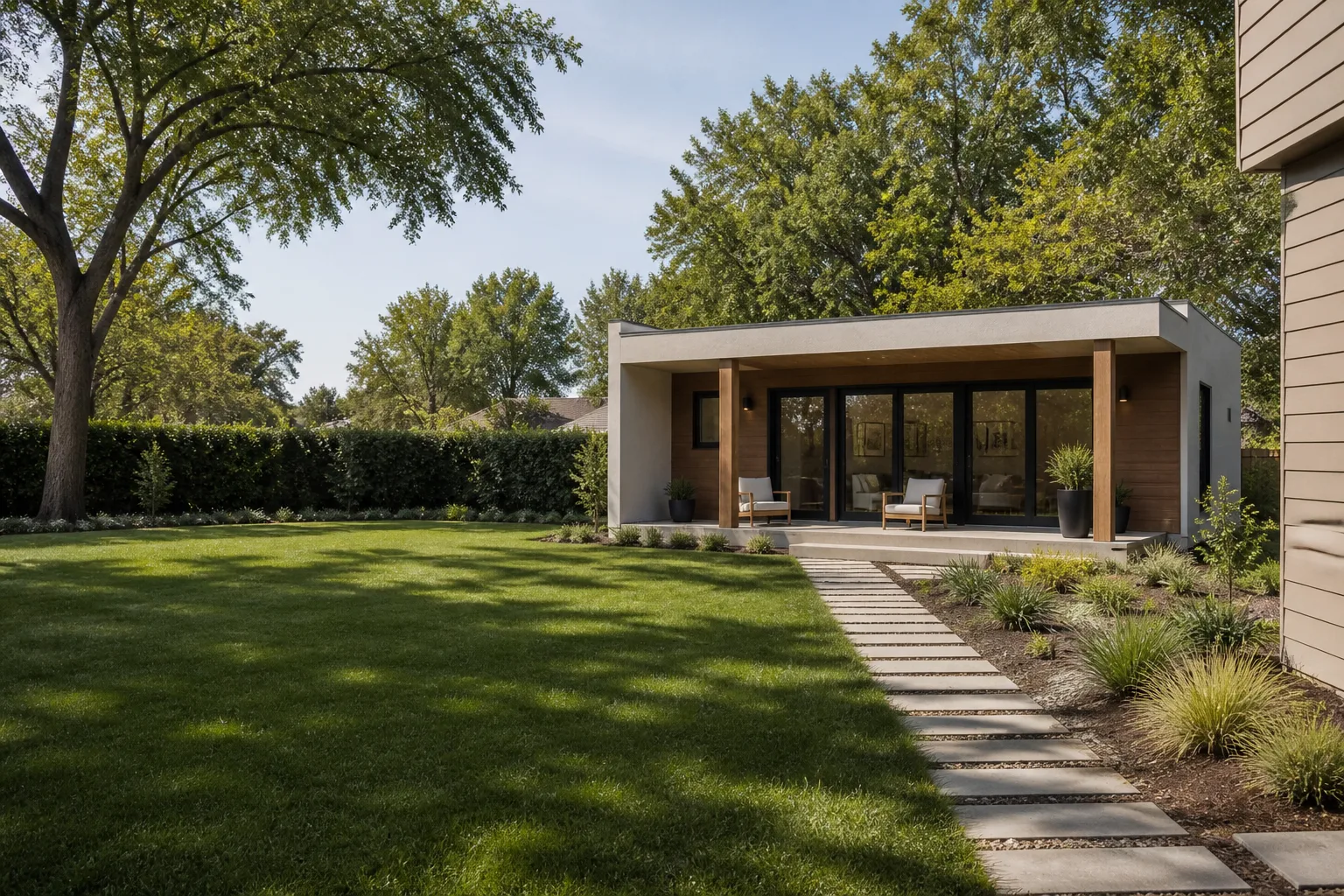
- Ground-up ADU. A detached new-construction unit, best where there’s room on the lot and you want the most flexibility in size and layout.
- Garage conversion. Converting an existing garage into living space. Often a smart way to add a unit without new foundation work, provided the structure and utilities support it.
- Junior ADU (JADU). A smaller unit built within the footprint of an existing home. A strong option when lot space or budget is tight. Our overview of the junior ADU explains where it fits.
- Prefab ADU. A factory-built unit from a premium brand like Abodu, Cover, or Dvele, set and finished on your site. These pair factory precision with local site work.
Kent’s climate matters here in a practical way. Wet winters and the region’s rainfall mean drainage, roof pitch, and envelope detailing get decided early, not after the fact. Sloped or tree-heavy lots change where a unit can sit and what site work it needs. None of that is a reason to avoid an ADU, but it is a reason to have the contractor walk your lot before anyone draws a plan. The specific rules for any format depend on the city and your lot, and we confirm them with the city’s planning or building department before plans are final.
Common Mistakes to Avoid
- Hiring on price alone. The cheapest proposal is often the one with the least included. Cheaper numbers usually mean excluded permits, thin allowances, or missing utility work that shows up later as a change order.
- Not asking for Kent-specific permit experience. A contractor who has worked in King County generally but never permitted inside Kent will hit surprises in city review. Ask which projects were actually approved here.
- Becoming the project manager by default. If you’re the one relaying messages between a designer, a permit expediter, and a builder, you’ve accepted a second job. Choose a firm that owns all three phases.
- Signing a proposal with large undefined allowances. Open-ended allowances are where budgets quietly break. Get allowances described and capped before you sign.
- Skipping the license and insurance check. Ten minutes on the state site protects you from a lot of grief. Do it before you shortlist, not after.
- Paying ahead of the work. A payment schedule front-loaded before permit issuance leaves you exposed if the project slows. Tie money to permit and construction milestones.
- Forgetting the site work. Utility connections, drainage, and grading are costly and easy to leave out of a plan. Make sure they’re in the proposal and the contract.
When to Call a Professional
Call a professional as soon as you’re seriously weighing an ADU and want a straight answer on what your property can support, what the format options are, and what each path realistically involves. Don’t wait until you’ve picked finishes or scouted prefab catalogs, because feasibility comes first. Call if you’ve been handed off between a designer and a builder who never spoke. Call if you’re unsure whether your lot, garage, or existing structure can carry a unit, or if a contractor’s proposal has left you with too many unknowns to sign. ADU Builder Kent offers free estimates in Kent. Call (253) 499-8633. We answer 24/7. Fast dispatch from 7am to 7pm, Sunday through Friday.
Frequently Asked Questions
Yes. Washington requires contractors to register with the state, carry a bond, and hold general liability insurance, so verify any ADU contractor before signing. The local pro is licensed and insured as their state requires, and you can confirm registration in minutes on the state’s contractor verification site. Call (253) 499-8633 for a free estimate.
Ask which ADU projects they’ve permitted inside Kent city limits and how those reviews went. A firm with real local experience describes the review path and project types specifically, while one without it drifts toward “we work all over King County.” Call (253) 499-8633 for a free estimate.
A complete ADU proposal should itemize design work, permit fees, utility connections, site drainage, and construction by phase, with allowances described and capped. Watch for excluded permits and lump-sum pricing with no breakdown, both of which hide cost. Call (253) 499-8633 for a free estimate.
Payments should tie to real progress: design deposit, permit submission, permit issuance, construction milestones, and a final payment held until final inspection. Avoid schedules that front-load money before the permit is issued or leave large amounts unaccounted for at closeout. Call (253) 499-8633 for a free estimate.
Yes. We work with premium prefab brands like Abodu, Cover, and Dvele alongside fully custom builds, and that authorized experience means we integrate factory-built units with the site work and permitting they still require. The right format depends on your lot. Call (253) 499-8633 for a free estimate.
The price is set per job by the written estimate, which is free and itemized so you can see exactly what’s included before you commit. Change orders only arise from changes you approve in writing or from unforeseeable site conditions, and the contract spells out how they’re handled. Call (253) 499-8633 for a free estimate.
The Bottom Line
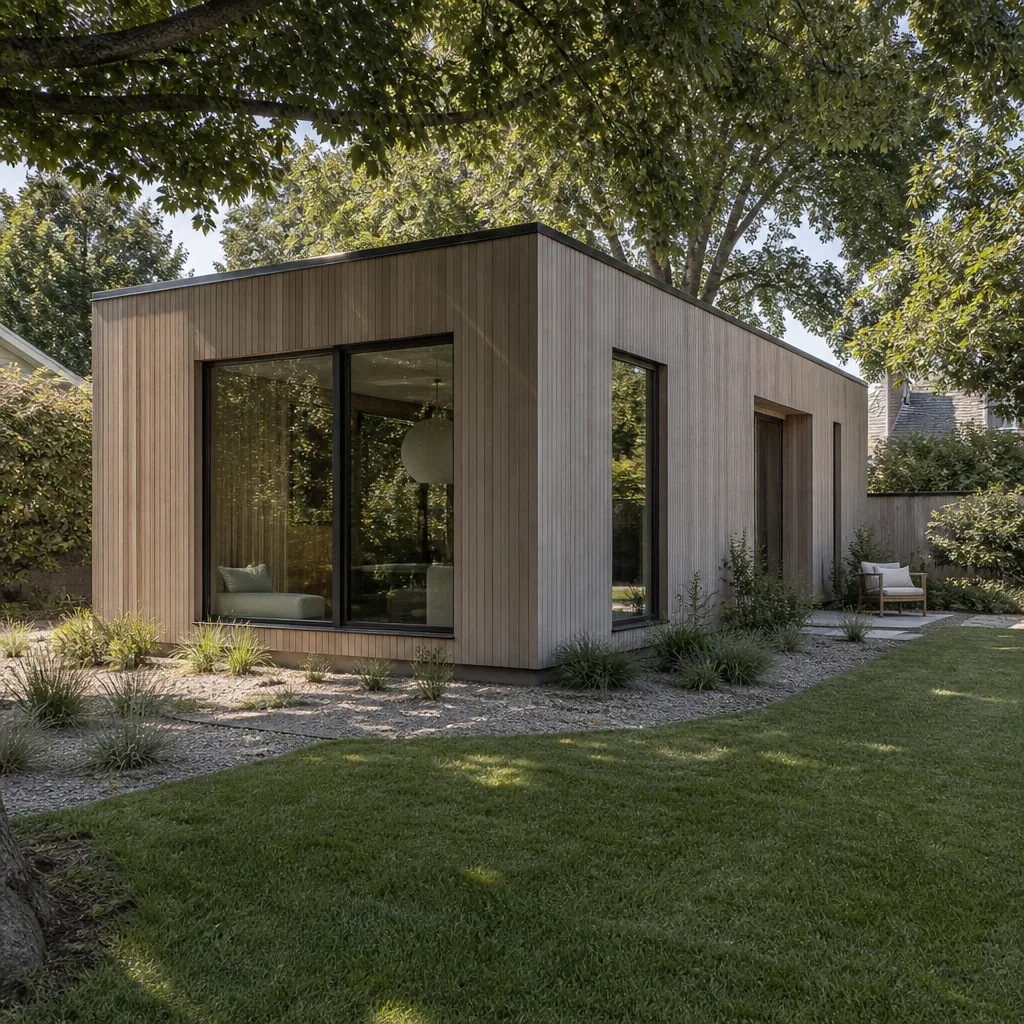
Hiring an ADU contractor in Kent comes down to one structural question: can this firm own design, permitting, and construction as a single sequence, so you aren’t left stitching the project together yourself? Answer it by checking the state registration, asking which ADUs they’ve permitted here, and reading the proposal for the three traps: vague allowances, excluded permits, and missing utility work. Then confirm the payment schedule follows real milestones. A specialty firm that works in this project type, with access to premium prefab brands like Abodu, Cover, and Dvele, removes the gaps that cost the most time and money. From design to permit to move-in, handled. That’s what you should be buying.
Ready to talk through your property? Call (253) 499-8633 for a free estimate. We answer 24/7. Fast dispatch from 7am to 7pm, Sunday through Friday.
Written by the team at ADU Builder Kent.